
If you’re facing drug trafficking charges in Massachusetts, you’re probably terrified. You’ve heard about mandatory minimum sentences and prison time, and you’re wondering if there’s any way out. The good news is that you may have a powerful defense available: personal use.
This defense can mean the difference between years in prison and a much less serious outcome. Understanding how it works could change everything about your case.
How Trafficking Charges Work in Massachusetts
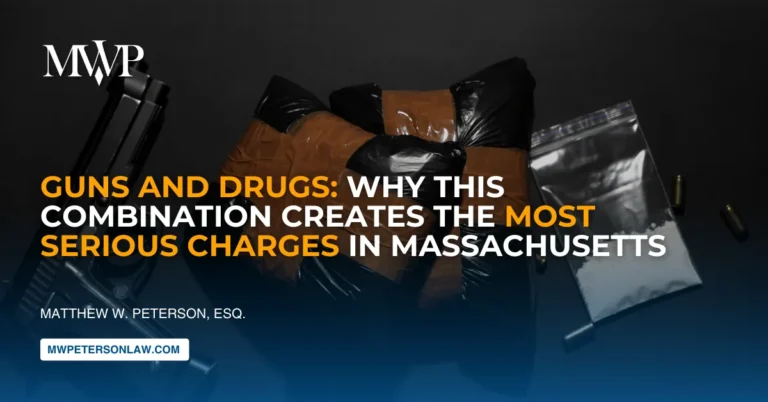
Many people are surprised to learn that drug trafficking charges aren’t just about selling drugs on a street corner. Under Mass. Gen. Laws c. 94C, § 34, you can face trafficking charges simply by possessing certain amounts of controlled substances—even if you never sold a single gram to anyone.
But here’s the critical part that many people miss: the prosecution must prove more than just possession of a certain weight of drugs. They must also prove beyond a reasonable doubt that you intended to distribute those substances. “Distribute” means you planned to sell them, give them away, or transfer them to someone else.
This is where the personal use defense comes in. If you possessed the drugs for your own consumption, the intent to distribute is missing. And without proof of that intent, a trafficking charge simply cannot stand.
Why This Distinction Matters So Much
The difference between trafficking and simple possession isn’t just legal terminology—it’s years of your life.
Drug trafficking convictions in Massachusetts carry mandatory minimum prison sentences. These minimums are exactly what they sound like: the absolute minimum time you must serve. Judges have no discretion to reduce them, no matter how sympathetic your circumstances might be. If you’re convicted of trafficking, you will go to prison.
Simple possession, on the other hand, is often a misdemeanor. Many possession charges don’t require any jail time at all. You might be eligible for probation, treatment programs, or other alternatives that let you keep your freedom and move forward with your life.
When we’re talking about the difference between mandatory prison time and potentially no jail at all, the personal use defense becomes incredibly important.
What Courts Look At
So how do courts decide whether drugs were for personal use or distribution? They examine all the circumstances surrounding your arrest. Certain evidence suggests distribution, while other evidence supports personal use.
Signs that point toward distribution include items commonly associated with drug sales:
- digital scales
- large quantities of small baggies
- drugs pre-packaged in individual portions
- large amounts of cash in small bills, and multiple cell phones.
If police found these items along with the drugs, prosecutors will argue you intended to sell.
Signs that support personal use include paraphernalia used for consuming drugs:
- pipes
- syringes
- or other items that show you were using the substances yourself.
The absence of distribution-related items also helps your case.
The quantity of drugs matters too, but not in the way many people assume. Yes, possessing a large amount can suggest distribution. But many people buy drugs in bulk for their own use, the same way you might buy a case of something at a warehouse store instead of a single item. Courts recognize this, and quantity alone isn’t enough to prove intent to distribute.
What You Need to Understand
Personal use is a legitimate defense, but it’s not a magic wand. Raising this defense doesn’t guarantee your charges will be dismissed or that you’ll be found not guilty. The prosecution will present their evidence and argue that you intended to distribute. Your attorney needs to effectively counter those arguments with evidence and legal strategy tailored to your specific situation.
Every case is different. The strength of a personal use defense depends on the particular facts—what was found, where it was found, what else was present, and dozens of other details that matter in court.
Protect Your Future
If you’re facing drug trafficking charges in Massachusetts and believe personal use may apply to your situation, don’t wait to get legal help. These cases are too serious and the consequences too severe to face alone.
The Law Office of Matthew Peterson defends drug trafficking charges throughout Eastern Massachusetts. We understand how frightening this situation is, and we’re here to help you understand your options. Contact us today to discuss your case.